About
This page offers a closer look at what Forest Therapy is, how a session unfolds, and the philosophy that shapes the practice. You will also find more about your Forest Therapy guide, and the roots of the practice in the Association of Nature and Forest Therapy (ANFT) and Shinrin-yoku (森林浴 or forest bathing).
A Forest Therapy session follows a simple structure. While there is a structure, there is no right way to move through it. You are not expected to perform, to feel a certain way, or to share if you do not wish to. The structure simply provides a gentle container so that you can settle more fully into your own connection with nature.
You arrive as you are, and you participate in the way that feels most natural to you.
Arrival and Sensory Awakening
We begin with a short introduction and a guided sensory practice to help everyone arrive, settle, and transition from the pace of the day into a slower rhythm.
Gentle Invitations
A series of sensory invitations will be offered in partnership with nature. These invitations are always optional, and you choose how and whether to engage.
Optional Sharing
After each invitation, there is intentional space to gather and share. Sharing may be through words, sounds, or silence. All forms of sharing are welcome. While always optional, sharing often deepens the practice, as listening to one another can gently expand our own noticing.
Closing
We close the Forest Therapy session by coming back together and expressing gratitude to nature and to the land for hosting us.
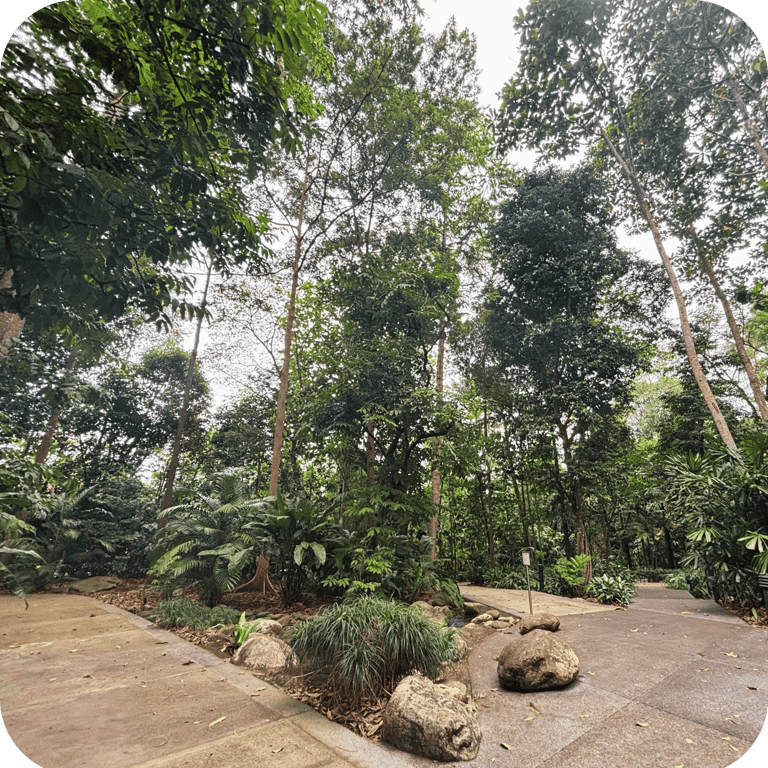
About Your Forest Therapy Session
Long Yuan is a certified Forest Therapy guide in Singapore, trained under the Association of Nature and Forest Therapy (ANFT).
Long Yuan's Forest Therapy guiding practice is shaped by his own personal healing journey and his relationship with nature. In 2025, he found himself learning how to slow down, and to rediscover himself. In the quiet presence of trees and open skies, he began to soften. Nature became a steady companion, a place where he could breathe differently and remember that he did not have to carry everything alone.
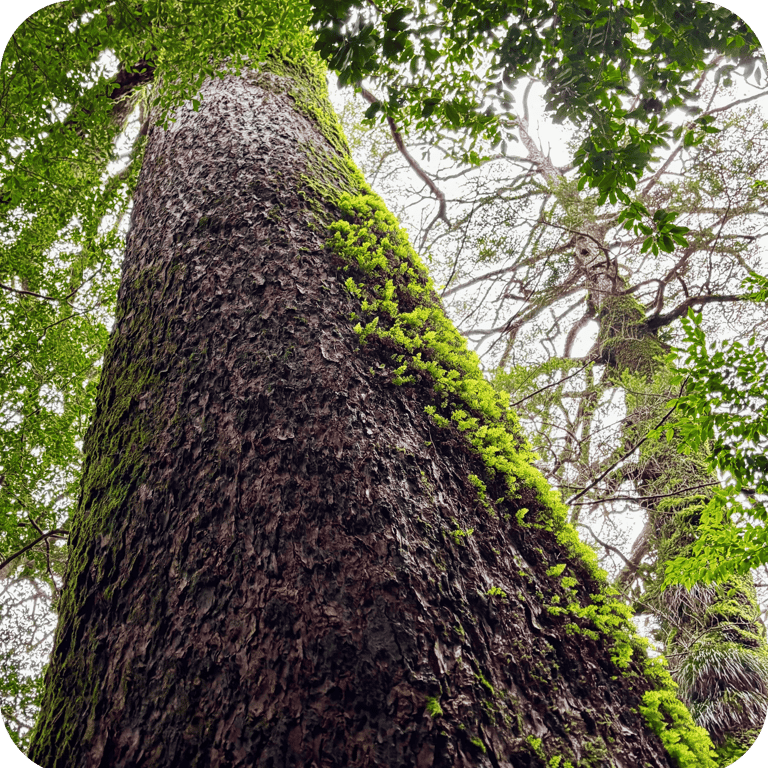
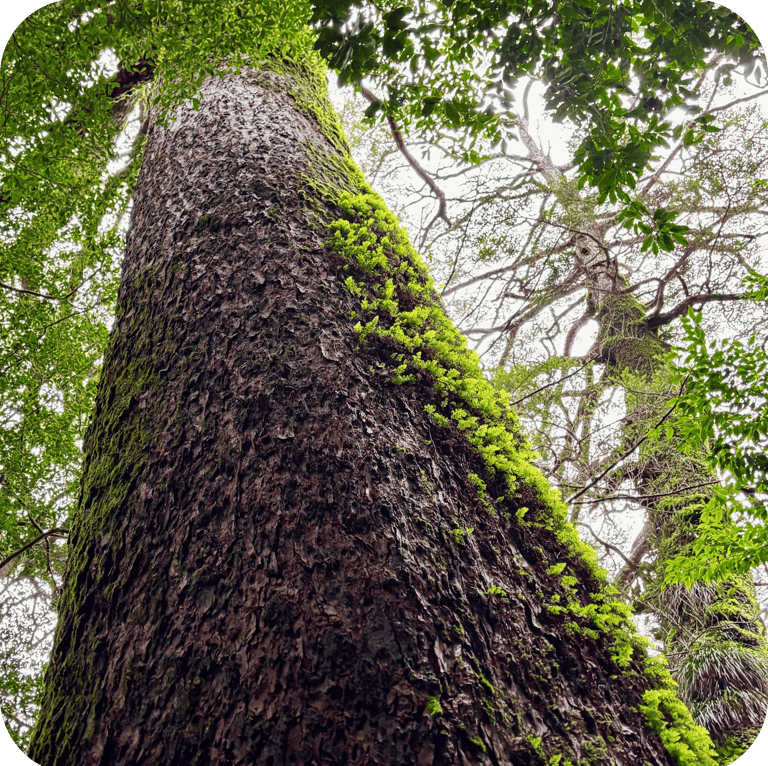
Two moments in nature stay with him. One in Bali, at a sacred Kayu Putih tree; another on Yakushima, where he was drawn to a particular Sugi tree. Both times he felt called to rest his palms on the tree. Both times something he could not name moved through him and left, and he came away feeling held rather than alone.
He guides gently and without hurry. He invites participants to slow down, notice what is around them, and allow nature to meet them as they are. Through this guided sensory practice, one that deepens over time, he hopes participants come home to nature, body, and self.
His Forest Therapy practice, ohmori, takes its name from his surname (Oh) and mori (森), the Japanese word for forest. It's a nod to shinrin-yoku, where forest therapy began.
Beyond nature, Long Yuan is a psychotherapist in training. His work is grounded in attachment theory, along with experience in crisis intervention and addiction recovery work. He believes in holistic wellness, that body, mind, and our relationship with the living world are not separate things to tend. He is also a ceramic hobbyist, and runs a small-batch handmade ceramic brand, where clay becomes another way of slowing down.
The invitation is simple: come as you are, and see what nature is offering in this season of your life.


About Your Forest Therapy Guide
The Association of Nature and Forest Therapy (ANFT) is the leading organisation dedicated to training and certifying forest therapy guides. Founded in 2012 by Amos Clifford, a wilderness guide with a background in counselling, ANFT grew from a vision to make the healing benefits of nature more widely accessible.
Drawing inspiration from the Japanese practice of Shinrin-yoku (森林浴 or forest bathing), ANFT developed its own approach, Relational Forest Therapy. This practice is grounded in research and emphasises slowing down, awakening the senses, and restoring our relationship with nature. At the heart of ANFT's philosophy is the belief that "the forest is the therapist; the guide opens the door."
Today, ANFT has trained thousands of guides in more than 60 countries, setting professional standards and building a global community. ANFT's work ensures that forest therapy is not just a wellness trend, but a recognised, structured practice you can trust.
About the Association of Nature and Forest Therapy
Shinrin-yoku (森林浴 or forest bathing) is a Japanese practice that began in the 1980s as a way of encouraging people to reconnect with nature. Rather than being a strenuous hike or outdoor workout, Shinrin-yoku is about slowing down, opening the senses, and simply being present in nature. The term literally means taking in the forest atmosphere, and it emphasises relaxation, mindfulness, and deep connection.
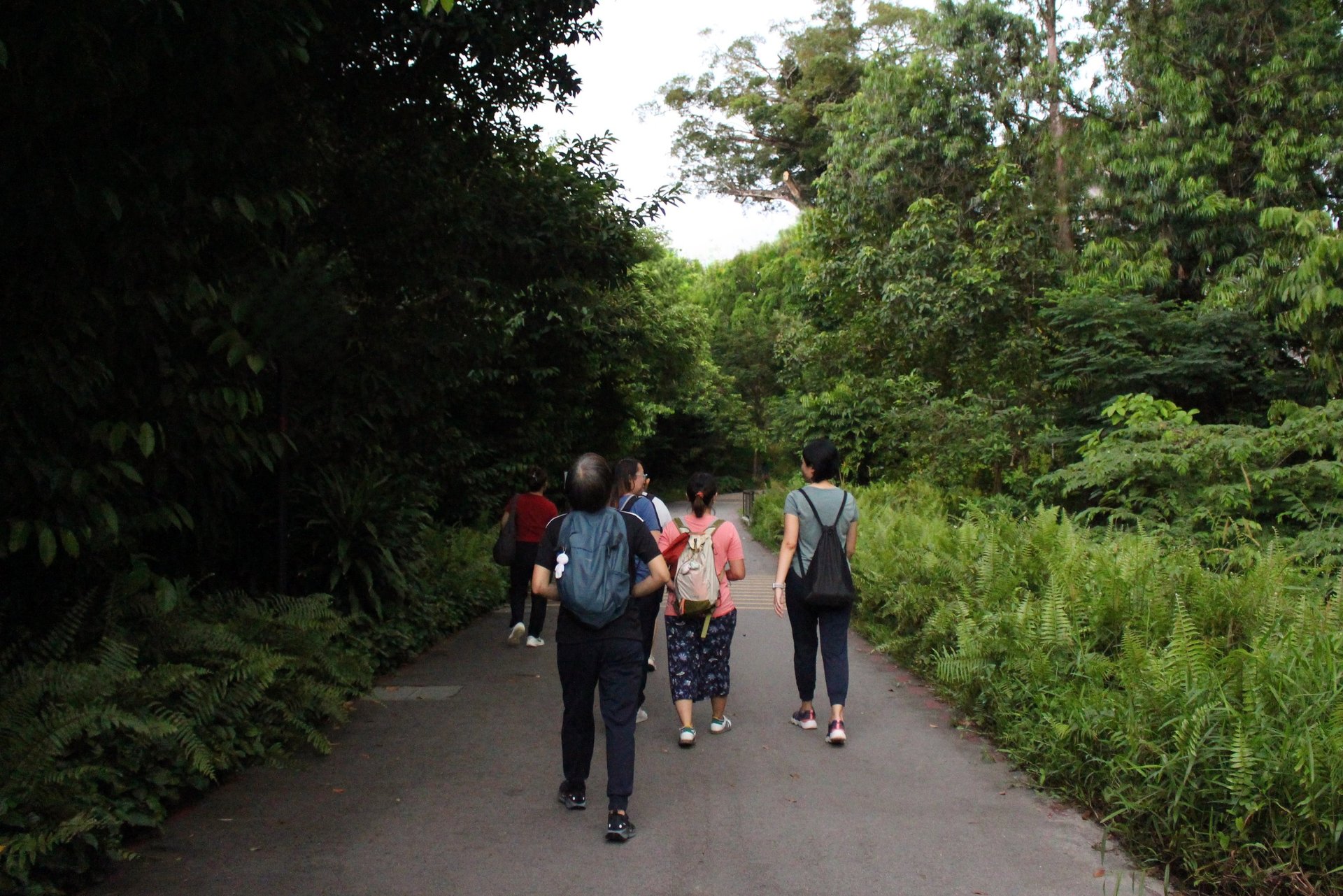
A forest bathing experience often involves walking slowly among trees, breathing deeply, and paying attention to sensory details. By inviting awareness to simple encounters with nature, participants discover nature not just as scenery but as a living presence that supports rest and renewal.
Research in Japan and beyond has shown that Shinrin-yoku can lower stress hormones, reduce blood pressure and heart rate, and strengthen immune function, particularly through increased activity of natural killer (NK) cells. It also supports mental clarity, mood improvement and overall emotional well-being.
Many participants describe leaving a forest bathing session feeling calmer, more balanced, and more connected to themselves and the natural world.
About Shinrin yoku 森林浴 or Forest Bathing
Begin Your Connection with Nature